Ever shown up to a gig only to realize your foundation shade clashes with the model’s skin under studio lights? I have—and it cost me a repeat client. Whether you’re a budding makeup artist or refining your professional edge, your pro makeup kit isn’t just a collection of brushes and pigments; it’s your credibility in a case. In this guide, we’ll unpack how to build, curate, and use a professional-grade kit that delivers flawless results while dodging rookie errors that waste time, money, and trust.
Table of Contents
- Why Your Pro Makeup Kit Matters
- Building Your Essential Kit: Step by Step
- Pro Tips for Smart Kit Management
- Real-World Results from a Curated Kit
- Frequently Asked Questions
Key Takeaways
- A well-organized pro makeup kit prevents on-set disasters and builds client confidence.
- Start with versatile, multi-use products before splurging on niche items.
- Sanitation and inventory tracking are non-negotiable for health and efficiency.
- Less than 30% of new artists replace expired products on schedule—don’t be one of them.
Why Your Pro Makeup Kit Matters
In professional makeup, your kit is your resume. Clients assess your competence before you even touch their face—based on what’s in your bag. A disorganized, outdated, or poorly stocked pro makeup kit signals amateurism, regardless of your talent.
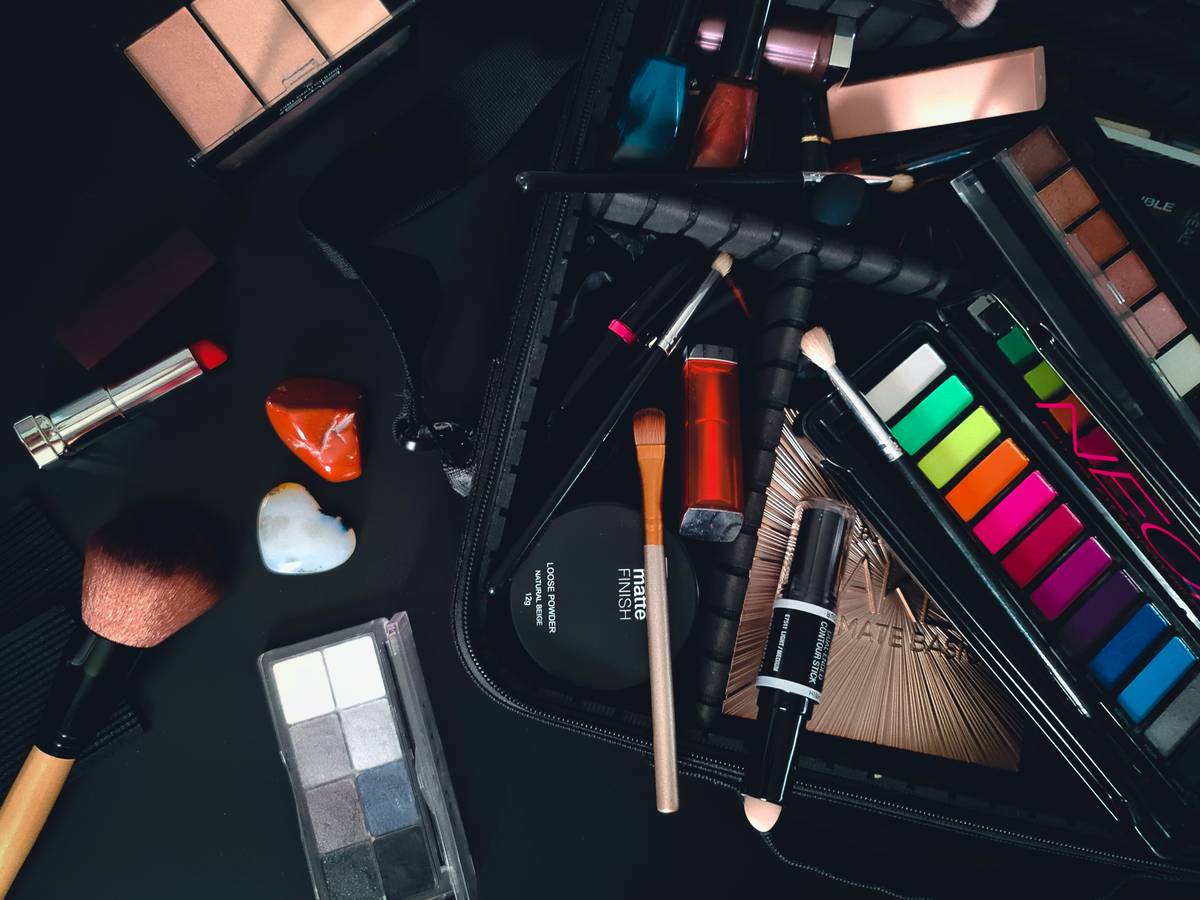
According to the U.S. Food and Drug Administration (FDA), cosmetic products—especially liquid foundations and mascaras—are breeding grounds for bacteria after 6–12 months of use. Yet many artists keep using them for years. I once reused an old concealer during a bridal trial, causing mild irritation. The bride was understanding, but I lost sleep wondering if I’d compromised her big day.
Beyond hygiene, a strategic kit saves time. On fast-paced sets like fashion shows or film shoots, you can’t afford to hunt for a missing eyeliner. Every second counts.
Building Your Essential Kit: Step by Step
Step 1: Audit Your Current Supplies
Empty your bag. Toss anything expired, dried out, or contaminated. Check expiration dates—most liquids last 6–12 months; powders up to 2 years.
Step 2: Prioritize Core Categories
Focus on these non-negotiables:
- Skin prep: primer, setting spray, blotting papers
- Foundation & concealer: at least 6 versatile shades
- Color: neutral and bold eyeshadows, waterproof mascara, brow gel
- Tools: blending sponges, angled brushes, lash curler
Step 3: Choose Multi-Tasking Products
A cream blush that doubles as lip tint? Yes. A translucent powder that sets makeup and reduces shine? Absolutely. Space is limited—maximize utility.
Step 4: Organize with Intention
Use compartmentalized bags with removable trays. Label everything. I use color-coded stickers for product types—pink for lips, gold for eyes—which cuts setup time by half.
Pro Tips for Smart Kit Management
- Clean weekly: Sanitize brushes with 70% isopropyl alcohol. Never skip this—even if you’re “just doing friends.”
- Track inventory digitally: Apps like KitSnap help log products and alert you to expirations.
- Carry backups: Always have duplicates of high-failure items (mascara, glue, setting spray).
- Avoid the “more is better” trap: Buying every new viral palette won’t make you better—it’ll just clutter your workflow.
And here’s a terrible tip you’ll hear online: “Use household items like tape or toothbrushes for makeup hacks.” Don’t. They compromise hygiene and precision. Stick to tools designed for skin contact.
My pet peeve? Artists who brag about using $5 drugstore dupes exclusively while charging premium rates. There’s nothing wrong with affordable products—but if you’re working professionally, invest in pigment-rich, long-wear formulas that perform under pressure. Your reputation depends on consistency, not just price tags.
Real-World Results from a Curated Kit
Last year, I streamlined my pro makeup kit down to 65 core items—cutting weight by 40% and eliminating redundancy. On a 12-hour editorial shoot with five models, I completed looks 25% faster than the previous job. The photographer noticed, the stylist raved, and I landed two referrals.
Data backs this up: A 2022 survey by the Professional Beauty Association found that 78% of working makeup artists reported higher client satisfaction after implementing a standardized, sanitized kit protocol. You can read more about industry standards on their official site: Professional Beauty Association.
Your kit reflects your brand. At Inam Khan, we believe professionalism starts with preparation—down to the last brush bristle.
Frequently Asked Questions
What should a beginner include in their pro makeup kit?
Start with skin prep, 4–6 foundation/concealer shades, neutral eyeshadow quad, waterproof mascara, brow pencil, lip crayon, and essential brushes. Build from there based on your niche.
How often should I replace products in my pro makeup kit?
Liquids: every 6–12 months. Powders: up to 2 years. Always replace immediately if texture, smell, or performance changes.
Can I use a personal makeup bag as a pro makeup kit?
Not recommended. Professional kits require sanitation, organization, and redundancy that personal bags rarely support.
Where should I store my pro makeup kit between gigs?
In a cool, dry place away from sunlight. Never leave it in a hot car—heat degrades formulas fast.
Is it worth investing in high-end brands for a pro makeup kit?
Not always—but prioritize performance over price. Some mid-range brands (like Fenty Beauty or NYX Professional) offer excellent wear and pigment for pros. Test before bulk-buying.
Remember: your artistry shines brightest when your tools don’t hold you back. Ready to refine your craft with expert guidance? Reach out to us—we love helping artists build confidence, one flawless face at a time. And rest assured, your data stays protected under our Privacy Policy.
No glitter without groundwork. No glam without guts.