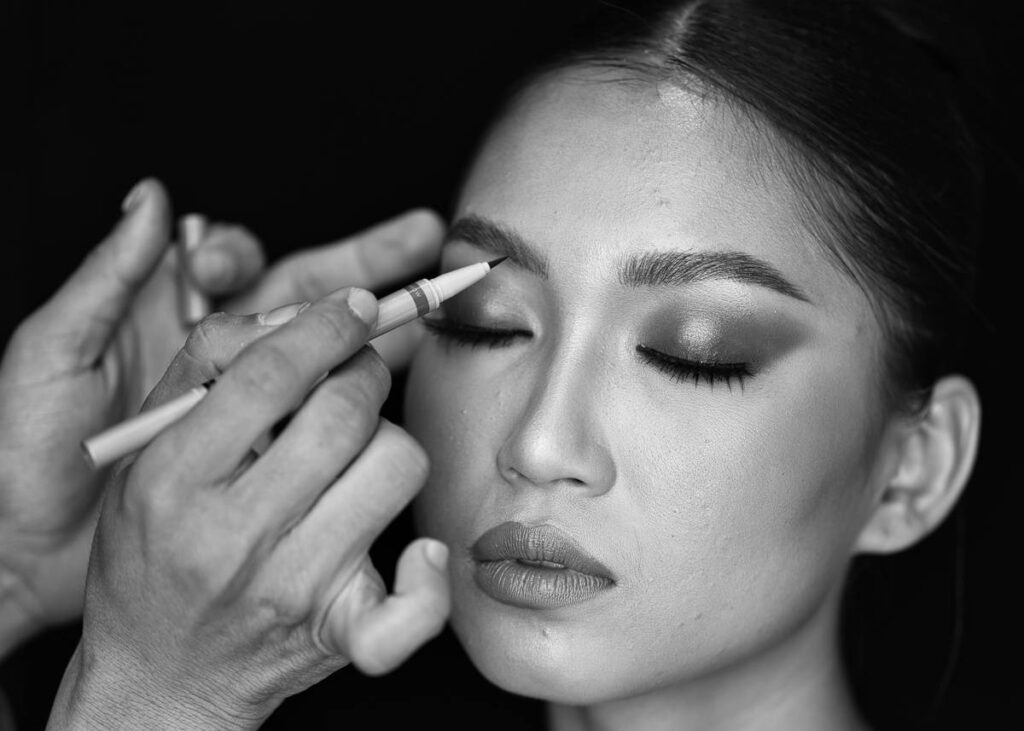
You’ve watched the Instagram reels. You’ve bought the beginner kits. But your eyeliner still wobbles, your contour looks muddy, and clients keep asking if you’re “certified.” Sound familiar? The beauty industry floods the market with flashy promises—but 80% of new artists quit within a year because their training never taught them how to *think*, only how to copy.
The Core Problem: Why Standard makeup artist courses Don’t Translate to Real-World Success
Most courses treat makeup like paint-by-numbers. Follow the steps. Use the products. Done. But real clients don’t arrive with symmetrical faces or ideal lighting. They have hooded eyes, rosacea, oily T-zones, and zero patience for shaky hands.
And here’s the brutal truth: certification ≠ competence. Many programs prioritize aesthetics over anatomy—teaching “the look” without explaining *why* it works on one face and fails on another.
Your Step-by-Step Path to Becoming a Working Makeup Artist
Start With Skin Science—Not Shadows
Forget eyeshadow palettes for week one. Master skin types, undertones, and barrier health first. A flawless base isn’t about coverage—it’s about chemistry. Oily skin needs silica, not heavy creams. Dry skin cracks under matte formulas. Get this wrong, and everything else collapses.
Lighting Is Your Silent Client
Hollywood studios use three-point lighting for a reason. Natural daylight changes hourly. LED ring lights distort color temperature. If you can’t adapt your application to mixed lighting, your work will photograph poorly—and in 2024, *everything* gets photographed.
Build a Portfolio That Solves Problems
No one cares about your 50th smokey eye. Show before-and-afters for acne scarring. Demonstrate aging skin techniques that lift—not cake. Solve real issues, and clients will find you.
| Training Type | Average Cost | Hands-On Hours | Real Client Exposure |
|---|---|---|---|
| Online Certificate Programs | $199–$699 | 0–5 | None (mannequins only) |
| In-Person Academies | $2,500–$8,000 | 120–300 | Yes (salon rotations) |
| Mentorship + Apprenticeship | $0–$1,500 (often paid via assistant work) | 200+ | Immediate (bridal trials, fashion sets) |
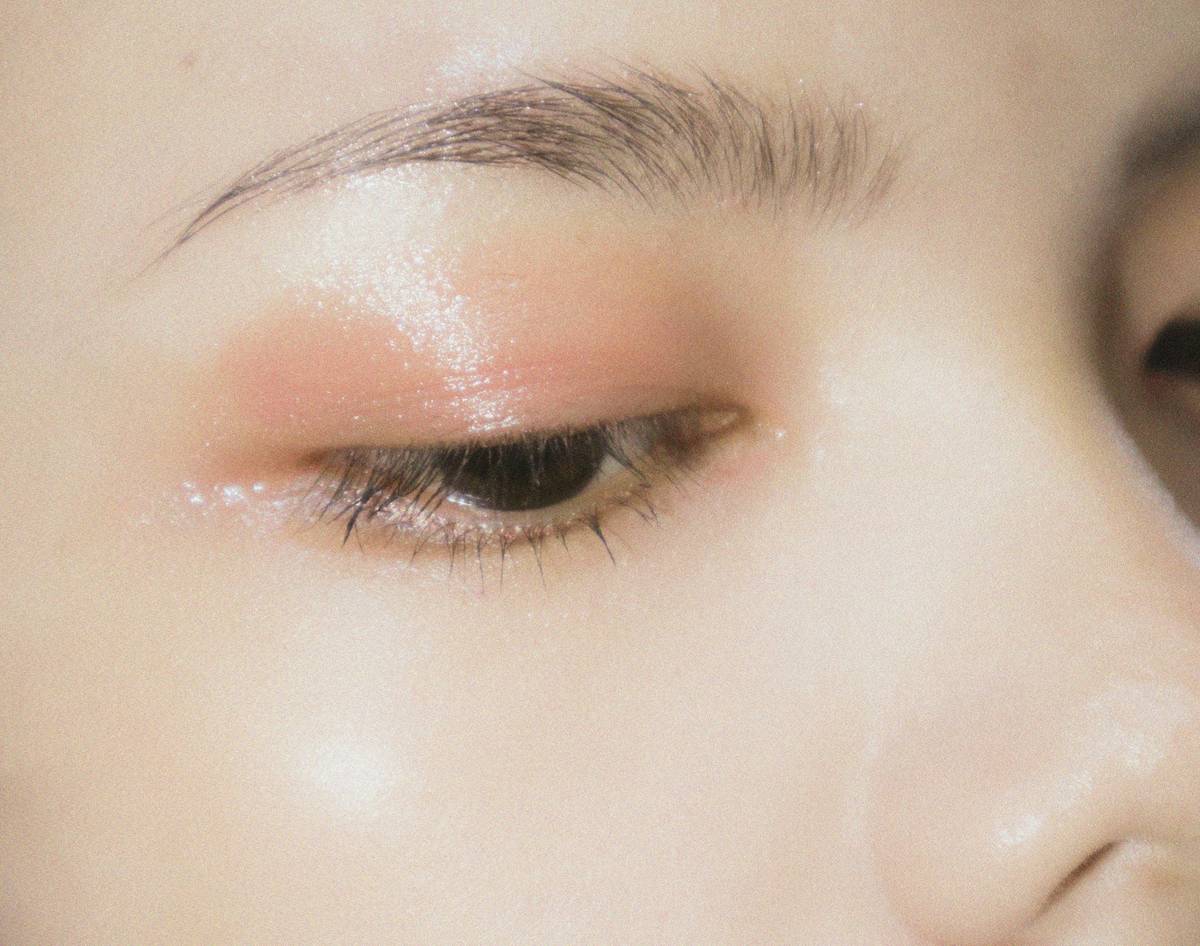
The Industry Secret: Pros Don’t Learn Looks—They Learn Corrections
Top-tier artists carry mental “correction maps” for every face they see. Asymmetrical brows? Compensate with highlight placement—not tweezers. Wide-set eyes? Bring focus inward using gradient liner intensity. This isn’t taught in syllabi—it’s built through deliberate, mistake-heavy practice.
Here’s what elite programs won’t advertise: your first 100 faces should be free. Not for exposure—but for data collection. Note how foundation oxidizes on combination skin at hour four. Track how blush fades under humidity. Turn each session into a case study. That’s how you develop instinct.
Frequently Asked Questions
Do I need formal makeup artist courses to work professionally?
No—but you need structured feedback. Self-taught artists often plateau because they lack critique on subtle errors like mismatched undertones or over-powdering.
How long does it take to become job-ready?
With focused daily practice and real client exposure, 4–6 months. Without real faces? Years. Theory alone doesn’t build muscle memory.
Are online makeup artist courses worth it?
Only if they include live critiques and skin analysis drills. Pre-recorded videos teach imitation—not problem-solving.