Most makeup artists stick to symmetry, blending, and predictable color palettes—safe, but forgettable. The real problem? They treat the face like a canvas that must follow rules, not break them. This limits expression and flattens creativity. The solution lies in embracing the abstract makeup concept: chaotic harmony, intentional imperfection, and emotional resonance painted directly onto skin.
Why Traditional Techniques Fail for Abstract Expression
Precision is overrated when you’re chasing mood, not mimicry. Standard foundation layering, cut-crease eyeshadow, or contouring tricks assume the goal is enhancement—not disruption. But abstraction demands asymmetry. It thrives on texture clashes, unexpected pigment placement, and negative space as powerful as pigment.
And here’s the kicker: most pros lack training in visual composition beyond beauty school mannequins. They know how to replicate trends—but not how to invent them.
Building Your Abstract Makeup Concept: A Step-by-Step Framework
Forget “steps.” Think phases. This isn’t recipe-following—it’s structured experimentation.
Phase 1: Define Your Emotional Anchor
What feeling should your look evoke? Anxiety? Euphoria? Nostalgia? Pick one. Let it dictate every brushstroke. Joy might mean splattered gold leaf; grief could translate to matte gray tears smudged downward—not realistic, but emotionally truthful.
Phase 2: Break the Grid
Ditch facial symmetry. Apply deep cobalt only to the left temple. Leave the right cheekbone bare. Use tape—not for sharp lines, but to create jagged voids. The eye isn’t a lid to shade—it’s a landscape to disrupt.
Phase 3: Texture Over Tone
Layer cream over powder. Press crushed mica flakes into wet gloss. Mix loose pigment with setting spray and flick it with a toothbrush. Your goal isn’t “blendable”—it’s tactile, dimensional, almost sculptural.
| Element | Traditional Approach | Abstract Makeup Concept Approach |
|---|---|---|
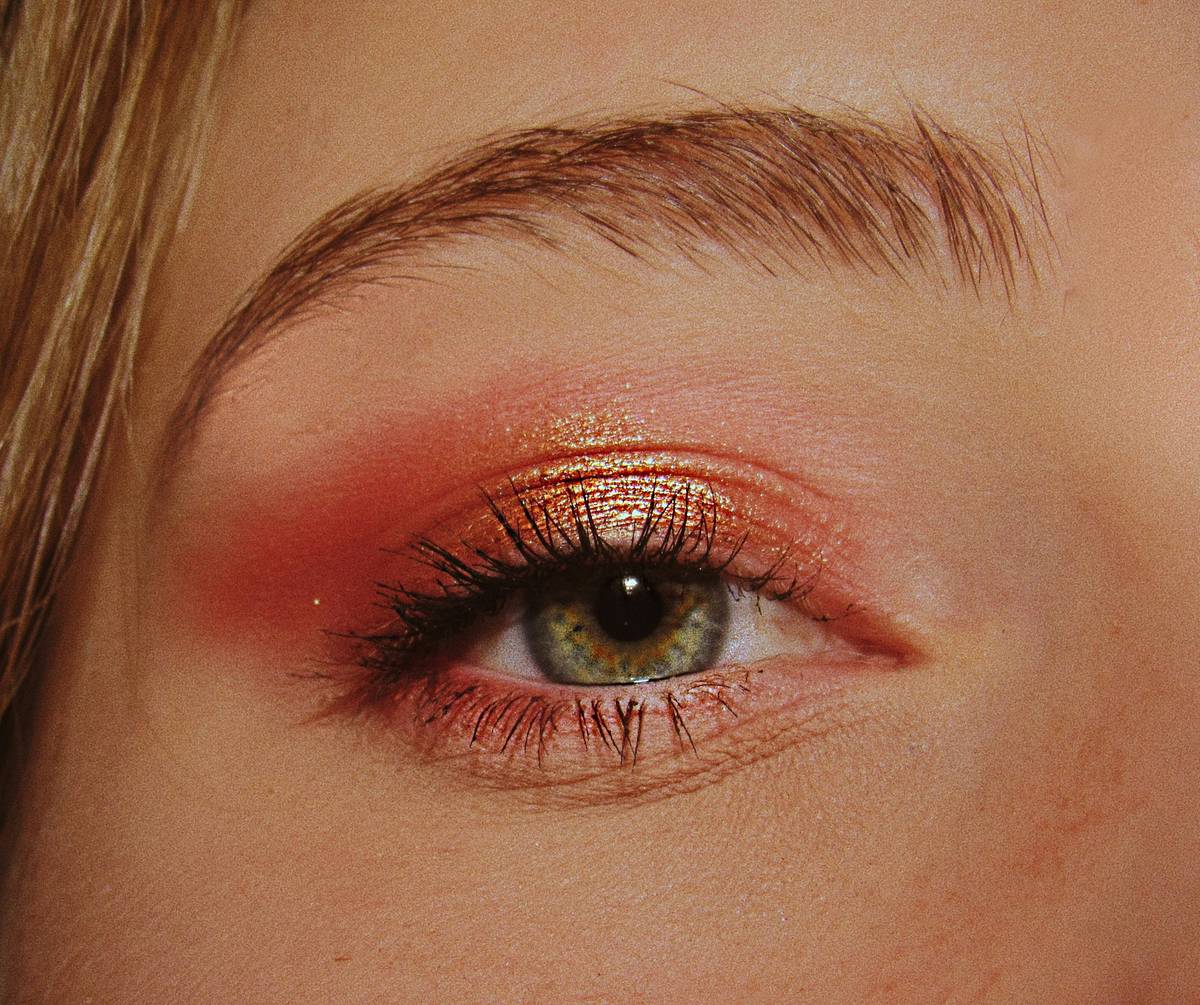
| Color Harmony | Complementary or monochromatic schemes | Dissonant triads—think burnt orange + electric teal + chalk white |
| Line Work | Clean, blended edges | Jagged, interrupted, or implied lines using negative space |
| Finish | Uniform (all matte or all dewy) | Contrasting: glossy lips with matte forehead, glitter temples over velvet cheeks |
| Reference Point | Photography, runway looks | Surrealist paintings, rusted metal textures, digital glitches |
Phase 4: Lock the Chaos
Use a fine mist of setting spray—not to blend, but to freeze. Don’t smooth out the splatter. Preserve the accident. That drip? That’s the soul of the piece.
The Industry Secret: Your Kit Isn’t Enough
Here’s what no brand will admit: professional makeup kits are designed for repetition, not revolution. You need non-cosmetic tools. I keep a mini palette knife for carving product ridges. I use vintage postage stamps as stencils. Once, I mixed acrylic ink with glycerin to create tear-like rivulets that dried flexible—safe for skin, dramatic on camera.
Think about it: the most viral abstract looks on Instagram weren’t born from new foundations. They emerged from artists raiding art-supply stores, not Sephora. The math is simple—expand your materials, expand your language.
Frequently Asked Questions
Is abstract makeup concept wearable in real life?
Absolutely—if “real life” includes galleries, performances, or editorial shoots. For daily wear, scale down intensity. Try asymmetric liner or a single bold pigment swipe under one eye.
What products work best for abstract techniques?
Water-activated face paints, alcohol-based inks (skin-safe), gel liners for sharp marks, and translucent powders to mute areas without blending. Avoid anything labeled “long-wear”—you need manipulability.
How do I avoid looking messy instead of artistic?
Intentionality separates chaos from clutter. Every mark must serve your emotional anchor. If you can’t explain why a line exists, remove it.