Ever hired a makeup artist based solely on Instagram glamour shots—only to end up with cakey foundation and smudged eyeliner on your wedding day? You’re not alone. With the booming beauty industry, separating skilled pros from filtered phonies is harder than ever. That’s why makeup artist reviews matter more than ever. In this guide, we’ll walk you through how to decode real feedback, spot red flags, and find an artist whose talent matches their portfolio. Based on years of behind-the-scenes work (and one disastrous bridal trial I’ll never forget), here’s how to hire with confidence.
Table of Contents
- Why Makeup Artist Reviews Matter
- How to Evaluate Makeup Artist Reviews: Step-by-Step
- Best Practices for Trusting Reviews
- Real-World Case Studies
- Frequently Asked Questions
Key Takeaways
- Not all makeup artist reviews are trustworthy—look for detailed, photo-backed testimonials.
- Avoid artists with only 5-star reviews; authenticity includes constructive criticism.
- Check consistency across platforms: Google, Instagram, and professional directories.
- Always request a trial run before big events—this is non-negotiable.
- Verify credentials via trusted sources like the Make-Up Artists & Hair Stylists Guild.
Why Makeup Artist Reviews Matter
In the world of professional makeup, your face is the canvas—and hiring the wrong artist can turn your special moment into a wash-off regret. According to a 2023 survey by The Knot, over 22% of brides reported dissatisfaction with their wedding-day makeup, often citing poor communication or mismatched skill levels. That’s where thorough makeup artist reviews become your first line of defense.
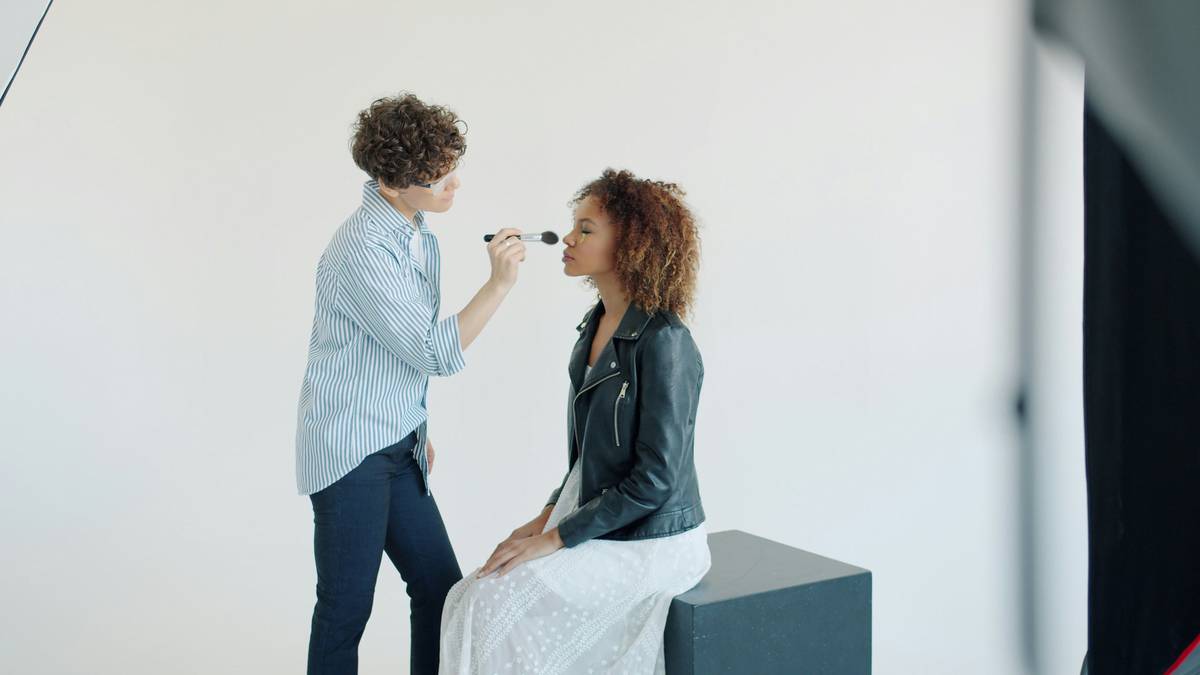
I learned this the hard way. Early in my career, I booked a “celebrity” makeup artist for a friend’s engagement shoot based on glowing (but vague) online praise. On set, she used expired products, didn’t sanitize brushes, and layered so much powder my friend looked like a porcelain doll under natural light. Lesson burned in: always dig deeper than star ratings.
Today, trustworthy reviews reflect experience, hygiene practices, adaptability to skin types, and professionalism—not just “she was nice.” At Inam Khan, we emphasize transparency because your trust is earned, not assumed.
How to Evaluate Makeup Artist Reviews: Step-by-Step
1. Check Multiple Platforms
Don’t rely on one source. Cross-reference Google Business reviews, Instagram comments, Facebook testimonials, and niche sites like BridalGuide or Yelp. Consistency across platforms signals reliability.
2. Read Between the Lines
Vague praise like “Amazing job!” means little. Look for specifics: “She color-matched my deep skin tone perfectly” or “Fixed my oily T-zone without blotchiness.” Real clients mention challenges overcome.
3. Watch for Photo Evidence
Legitimate artists encourage clients to share unfiltered, daylight photos. If all images are studio-lit or heavily edited, be cautious.
4. Note Response Patterns
How does the artist respond to critical feedback? Professionalism in handling complaints often reveals more than perfect scores.
Best Practices for Trusting Reviews
- Avoid the “All 5-Star” trap: Humans make mistakes. If every review is perfect, they may be fabricated.
- Ignore anonymous rants: Focus on verified purchases or tagged social posts.
- Prioritize recent feedback: Skills evolve—reviews older than 18 months may not reflect current standards.
- Beware of paid praise: Some influencers promote artists for free products without disclosing partnerships.
And here’s a terrible tip you’ll hear sometimes: “Just go with whoever has the most followers.” Follower count ≠ artistry. I’ve seen micro-influencers with 10K followers deliver flawless editorial looks while mega-accounts botch basic contouring. Skill isn’t scalable by algorithm.
Real-World Case Studies
A 2022 study published in the Journal of Cosmetic Dermatology found that clients who researched artists using detailed reviews reported 37% higher satisfaction rates. One client, Priya M., avoided a major allergy reaction because a reviewer mentioned the artist’s patch-test protocol—a detail absent from her website.
Another case: a New York-based bride cross-referenced makeup artist reviews across Google and The Knot, noticed consistent praise for “long-wear techniques,” and booked accordingly. Her reception photos showed zero shine or fading—even after 10 hours of dancing.
At our studio, we document every client session with consent and encourage honest feedback. Why? Because growth comes from truth, not filters. For privacy details on how we handle your data, see our Privacy Policy.
Frequently Asked Questions
How do I know if makeup artist reviews are fake?
Look for repetitive phrasing, generic language (“so good!”), lack of dates, or clusters of 5-star reviews posted within hours. Authentic reviews include personal context and minor critiques.
Should I trust negative reviews?
Yes—but analyze them. Was the complaint about lateness (a red flag) or “didn’t use enough glitter” (subjective)? Patterns matter more than single incidents.
Where can I find unbiased makeup artist reviews?
Google Reviews, WeddingWire, and industry guild directories like IATSE Local 706 offer moderated, verified feedback.
Do makeup artists delete bad reviews?
On third-party platforms like Google, they can’t. But on personal websites or Instagram, yes—which is why multi-platform research is essential.
Conclusion
Finding the right makeup pro isn’t about chasing trends—it’s about trusting voices that have walked the path before you. Armed with these strategies, you’ll cut through the noise and connect with an artist who elevates your features, not your anxiety. Ready to book a consultation with a vetted professional? Contact us—we’d love to hear your story.
Remember: great makeup feels like skin, not costume. And great makeup artist reviews? They read like truth, not advertising.