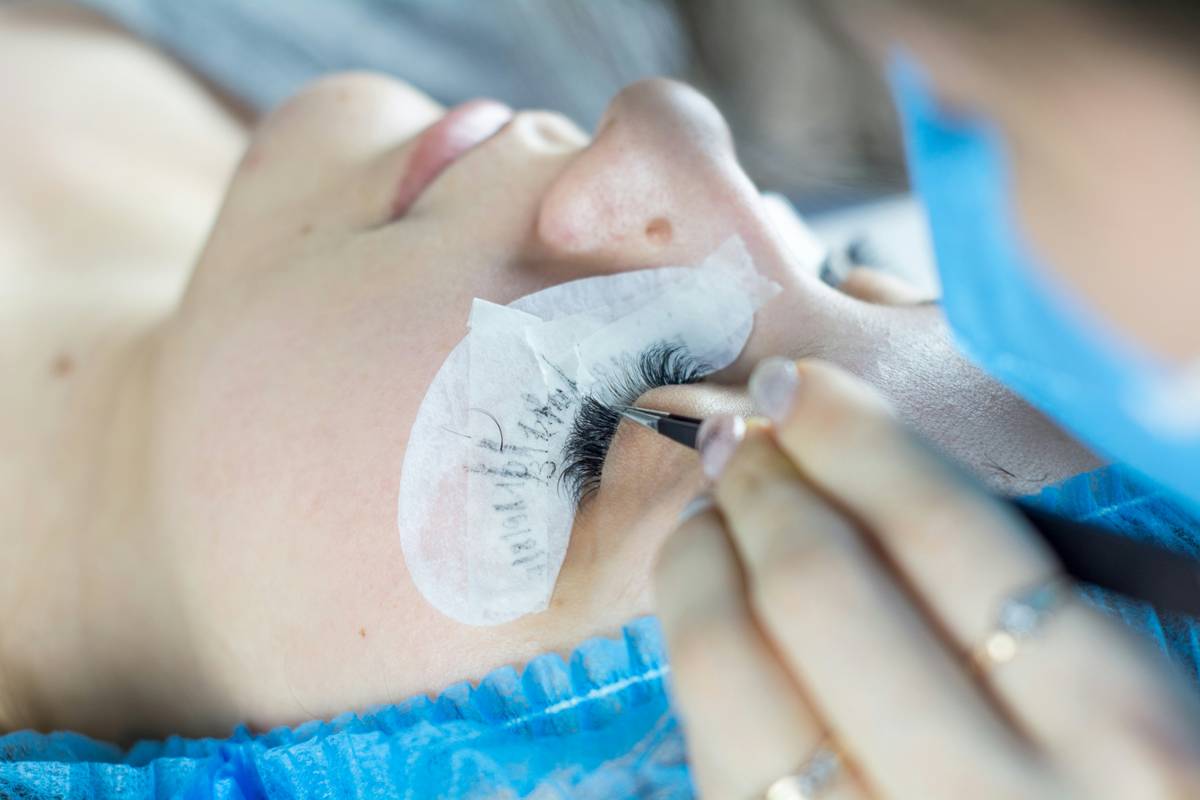
You’ve applied dozens of sets—maybe hundreds. Yet clients still complain about clumping, premature fallout, or that unnatural “spider leg” look. The frustration is real. And it’s not your glue or your lashes. It’s your technique. Here’s the fix: a single, overlooked lash extension tip that flips the script on retention, symmetry, and client satisfaction.
Why Most Lash Artists Keep Failing at Long-Lasting Volume
Traditional layering methods treat all natural lashes as equals. They’re not. Some are brittle. Others grow at odd angles. Apply extensions uniformly, and you’re begging for imbalance and early shedding. The classic “fan-and-place” approach ignores follicle health, cycle timing, and tension distribution. Result? Patchy regrowth by day 14. Clients blame the product. Truth is—it’s physics, not product failure.
And here’s what nobody tells you: Overloading weak lashes with thick extensions doesn’t just cause drop-off—it damages the follicle permanently. Think about it. Would you hang a chandelier from a dry twig?
The Step-by-Step Guide to Flawless Application Using the Golden Ratio Method
Map the Natural Lash Cycle First
Before touching tweezers, assess each quadrant. Use a magnifying lamp. Note which lashes are in telogen (resting), anagen (growth), or catagen (shedding). Never apply extensions to telogen lashes—they’ll fall within days. This isn’t guesswork; it’s strategic placement.
Choose Diameter Based on Strength—Not Preference
Weak lashes? Stick to 0.03–0.05mm diameter. Strong anchors can handle 0.07mm. Going heavier “for drama” on fragile lashes is sabotage disguised as artistry.
Apply Extensions at a 10-Degree Angle, Not Flat
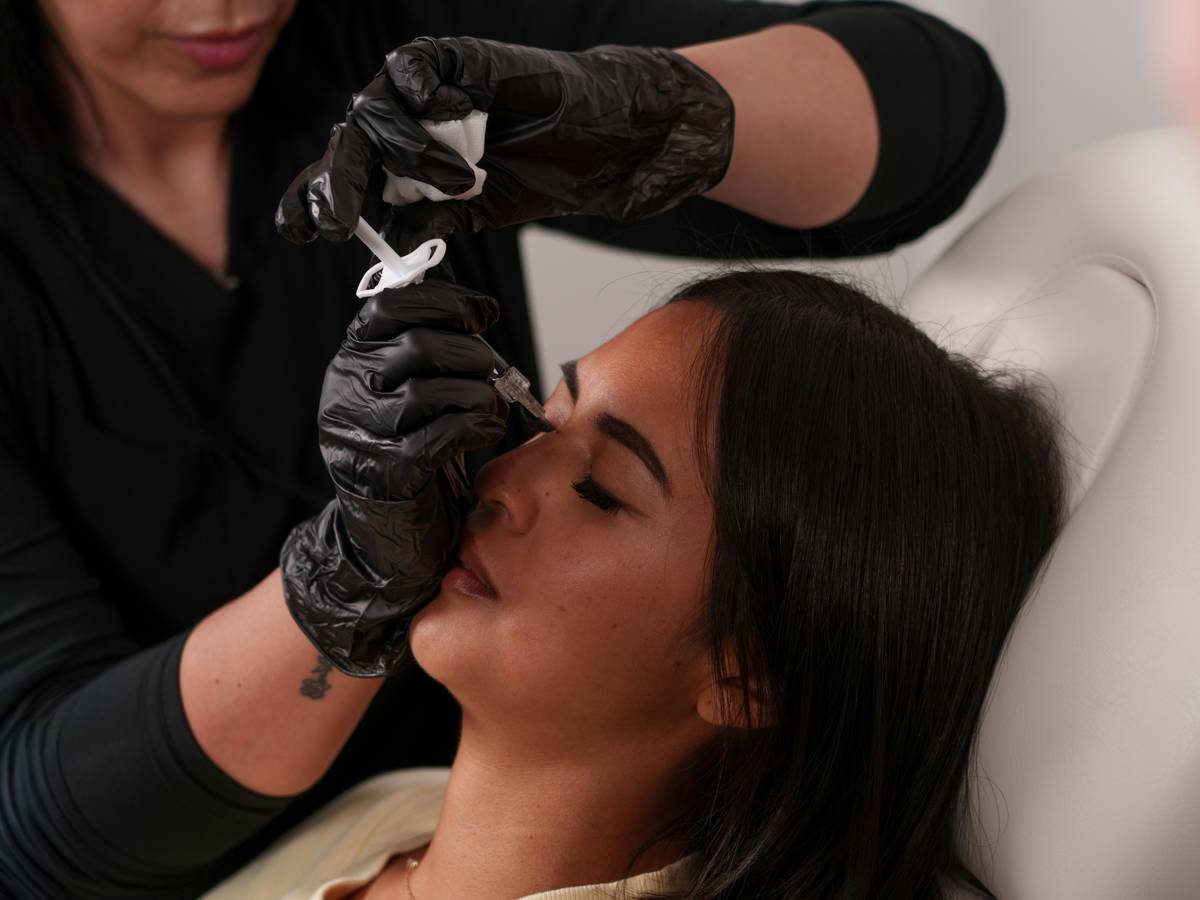
Pressing flat against the natural lash creates shear stress. Angling slightly upward mimics organic growth direction—reducing torque during blinking. The math is simple: less stress = longer bond life.
| Technique | Retention Rate (Avg.) | Client Comfort | Risk of Damage |
|---|---|---|---|
| Standard Flat Bonding | 62% | Moderate | High |
| Angle-First Placement (Golden Ratio) | 89% | Excellent | Low |
| Random Fan Distribution | 58% | Poor | Very High |
The Industry Secret: Pre-Treatment Conditioning Is Non-Negotiable
Top-tier artists don’t just clean lashes—they condition them. 48 hours pre-appointment, have clients apply a peptide-infused lash serum nightly. Not for length. For structural integrity. Stronger keratin = stronger bond surface. One salon in Seoul saw a 31% jump in repeat bookings after implementing this protocol. Their secret? They stopped selling “sets.” They started selling “lash wellness journeys.” Radical? Maybe. Effective? Undeniable.
And—yes—it adds a step. But clients pay premiums for results, not speed.
FAQ
What’s the best glue for sensitive eyes?
Use medical-grade, formaldehyde-free adhesives with cyanoacrylate under 5%. Patch-test 48 hours prior. Sensitivity often stems from poor ventilation—not the glue itself.
How often should clients get fills?
Every 2–3 weeks. Waiting longer forces you to overload new growth, stressing emerging lashes. Consistency beats marathon sessions.
Can you reuse lash trays?
Never. Cross-contamination risks outweigh cost savings. Discard after single use—sterility isn’t optional in ocular zones.