Most face paint fails before the party even starts. It cracks, smudges, or—worst of all—irritates sensitive skin. You spend hours crafting a magical look only to watch it melt into a muddy mess under stage lights or summer heat. But whimsical face paint doesn’t have to be fragile. With the right products and technique, you can create ethereal designs that last all night—and look like they leapt straight from a storybook.
Why Traditional Face Paints Sabotage Your Vision
Store-bought kits? Designed for speed, not artistry. They use low-grade pigments suspended in water-heavy bases that evaporate too fast—leaving cracked rainbows on children’s cheeks by hour two. And don’t get me started on “non-toxic” labels that still contain parabens or formaldehyde releasers. Your canvas is human skin—not poster board. Treat it like one.
Professional makeup artists avoid these traps. We know texture, binding agents, and layering strategy matter more than color variety. A unicorn horn shouldn’t flake off during a birthday hug.
Mastering Whimsical Face Paint: A Step-by-Step Blueprint
Forget random brushstrokes. True whimsy is intentional—structured chaos with clean edges, glowing highlights, and dimension that pops under flash photography.
Select Your Base Like a Pro
Water-activated face paints (like TAG or Fusion) offer vibrant payoff and blendability. But for humid climates or long-wear demands, switch to glycerin-based cakes—they resist sweat better and dry to a flexible film. And yes, always patch-test 24 hours prior. No exceptions.
Layer Strategically—Not Heavily
Thin layers cure faster and crack less. Apply with a damp sponge first for even coverage, then refine details with synthetic brushes dipped in minimal water. Over-saturating = mud city.
Lock It Like Armor
A setting spray alone won’t cut it. Use a translucent powder pressed gently through a tissue (“baking”), then finish with an alcohol-free sealer like Ben Nye Final Seal. This combo survives tears, laughter, and photo booth marathons.
| Method | Drying Time | Sweat Resistance | Best For |
|---|---|---|---|
| Water-Activated Cakes | 30–60 sec | Moderate | Festivals, indoor events, quick designs |
| Glycerin-Based Paints | 90–120 sec | High | Summer fairs, stage performances, humid zones |
| Alcohol-Activated Palettes | 10–20 sec | Very High | Pro editorial looks, HD photography, extreme wear |
The Industry Secret: “Ghost Blending” for Ethereal Depth
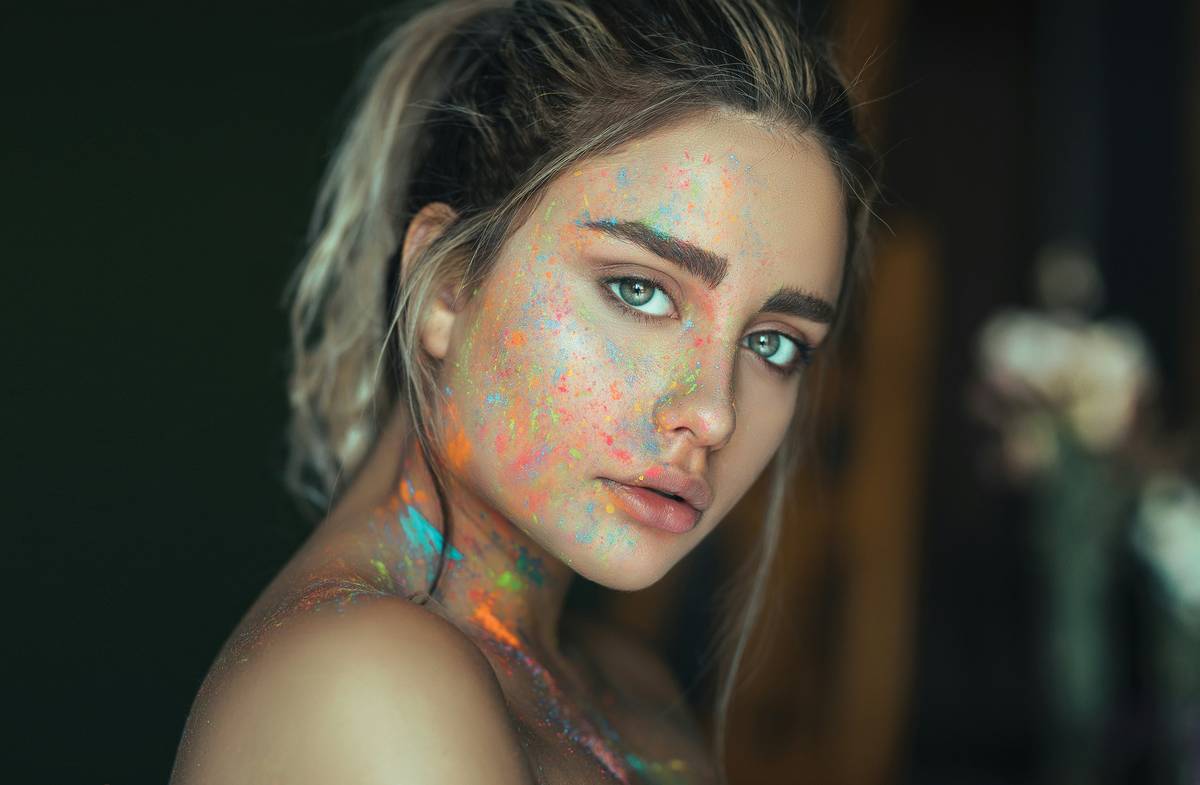
Here’s what top fantasy makeup artists won’t post on Instagram: mix a drop of white face paint with your base color *on the palette*, not the face. Apply this lighter shade just along the high points—cheekbones, nose bridge, forehead center—then blend outward with a barely-damp stippling brush. The result? A soft, inner glow that mimics moonlight catching fairy dust. It’s not highlighter—it’s dimension engineered for camera lenses. And it makes whimsical face paint look expensive, not craft-store cheap.
Think about it: real magic doesn’t shout. It whispers. And this technique whispers luminosity.
Frequently Asked Questions
Is whimsical face paint safe for sensitive skin?
Only if formulated without parabens, fragrances, or FD&C dyes. Look for EU-compliant or FDA-tested brands like Mehron Paradise or Snazaroo—even then, always patch test.
How do I remove whimsical face paint without irritation?
Use micellar water first to dissolve pigment, then cleanse with a gentle oil-based cleanser. Never scrub. Pat dry—don’t rub.
Can I use regular eyeshadow as face paint?
No. Eyeshadows aren’t designed for large-surface skin contact or prolonged wear. They often contain binders that cause micro-tears when flexed—and may lack microbial preservatives needed for safe facial application.